Cangzhou Ruitai Petroleum Machinery Co., Ltd





language
English
العربية
বাংলাদেশ
Български
Hrvatski
Česky
Dansk
Nederland
 Esperanto
Slovenski
Filipino
Suomi
Français
Maori
 Shqiptare
Georgian
 Euskara
Deutsch
Ελλάδα
ישראל
इंडिया
Magyarország
Ísland
Indonesia
Irlanda
Italia
日本語
Sovensko
Հայաստան
한국
Kyrgyz
ປະເທດລາວ
 Zulu
Zulu
Latvian
Lithuanian
Luxembourgish
 Latinus
Macedonian
Малайская
Maltese
Монгол улс
 Cymraeg
ဗမာ
 தமிழ்
தமிழ்
नेपाल
Norge
ایران
Polska
Portugal
România
Российская
Србија
 Slovak
Србија
 Slovak
Bosanski
Slovenian
Беларус
España
Sverige
Точик
ประเทศไทย
Türk
Azərbaycan
Uzbek
 Afrikaans
Việt Nam
The Advantages of Using Wire Wrap Casing in Geothermal Energy Production
Published on:
2023-08-04
Table of Contents 1. Introduction to Wire Wrap Casing 2. Enhancing Well Integrity with Wire Wrap Casing 3. Improved Reliability and Operational Efficiency 4. Cost-effectiveness of Wire Wrap Casing 5. Environmental Benefits of Wire Wrap Casing 6. FAQs 6.1 How does wire wrap casing improve well integrity? 6.2 Can wire wrap casing withstand high temperatures in geothermal wells? 6.3 How does
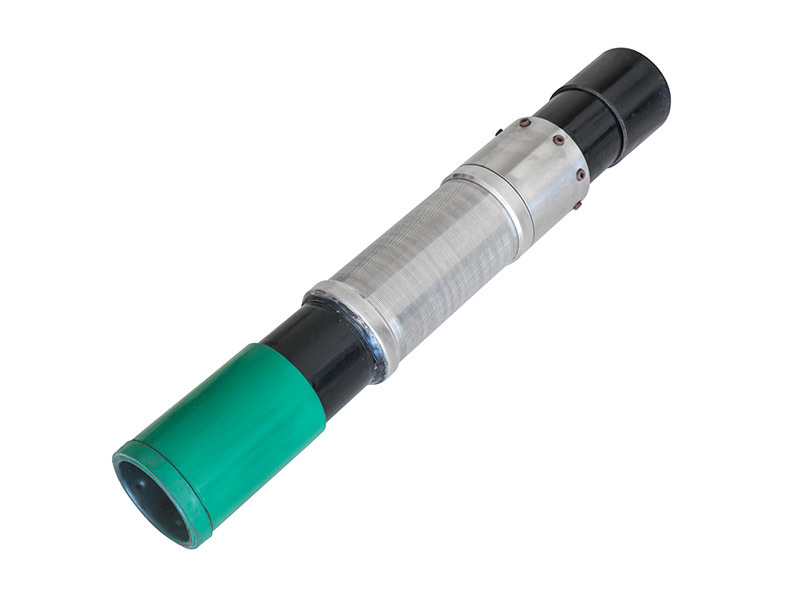
Table of Contents
1. Introduction to Wire Wrap Casing
2. Enhancing Well Integrity with Wire Wrap Casing
3. Improved Reliability and Operational Efficiency
4. Cost-effectiveness of Wire Wrap Casing
5. Environmental Benefits of Wire Wrap Casing
6. FAQs
6.1 How does wire wrap casing improve well integrity?
6.2 Can wire wrap casing withstand high temperatures in geothermal wells?
6.3 How does wire wrap casing contribute to cost savings?
6.4 Is wire wrap casing suitable for different geothermal energy production methods?
6.5 What are the environmental advantages of using wire wrap casing?
7. Conclusion
Geothermal energy production involves harnessing the Earth's natural heat to generate electricity. This process requires drilling deep wells into geothermal reservoirs to access the heat trapped beneath the earth's surface. To ensure the integrity and performance of these wells, reliable casing systems are crucial. Wire wrap casing, also known as wire-wrapped screens or wire mesh casings, offers a promising solution for geothermal projects.
Wire wrap casing provides superior well integrity compared to conventional casing techniques. The tightly woven wire mesh acts as a physical barrier, preventing the migration of formation sand and other unwanted particles into the wellbore. This eliminates the risk of wellbore clogging, which can lead to reduced productivity and costly maintenance operations. With wire wrap casing, operators can achieve higher well performance and minimize the need for frequent interventions.
One of the primary advantages of wire wrap casing is its ability to enhance sand control. By using a wire mesh with precise slot sizes, operators can control the inflow of sand and prevent it from entering the wellbore. This is particularly crucial in geothermal reservoirs where sand production can be substantial. Wire wrap casing maintains optimal production rates by ensuring the free flow of fluid while preventing the migration of sand particles.
Formation damage is a common challenge in geothermal energy production. The deployment of wire wrap casing mitigates formation damage by minimizing the intrusion of fine particles from the reservoir into the well. This reduces the risk of reservoir compaction and permeability decline, ultimately extending the productive life of the geothermal well.
Wire wrap casing contributes significantly to the reliability and operational efficiency of geothermal wells. Its unique design and construction offer several advantages in terms of well performance and maintenance.
Geothermal reservoirs often expose well casings to harsh and corrosive environments. Wire wrap casing is specifically designed to withstand these conditions, providing superior resistance to corrosion. This extends the lifespan of the casing and reduces the need for frequent replacements or repairs, resulting in significant cost savings for operators.
Instability within the wellbore can lead to various operational challenges, including well collapse and fluid influx. Wire wrap casing stabilizes the wellbore by preventing hole enlargement and maintaining wellbore integrity. This enhances operational safety and minimizes the risk of wellbore failure, ensuring uninterrupted geothermal energy production.
In addition to its technical advantages, wire wrap casing offers compelling cost benefits for geothermal energy projects.
The enhanced reliability and resistance to corrosion provided by wire wrap casing contribute to prolonged well life. By reducing the frequency of casing replacements and maintenance operations, operators can achieve substantial savings over the lifespan of the geothermal project.
Wire wrap casing's superior sand control capabilities minimize the need for costly interventions such as sand cleanouts and stimulation treatments. This reduces operational expenses and enhances the overall economic viability of geothermal energy production.
Geothermal energy is renowned for its environmental sustainability. By incorporating wire wrap casing into geothermal projects, operators can further enhance the industry's environmental profile.
The use of wire wrap casing improves well integrity, reducing the risk of fluid leaks and the potential for environmental contamination. This ensures that geothermal energy production remains a clean and sustainable energy option that minimizes its impact on the surrounding ecosystem.
Wire wrap casing's ability to mitigate formation damage allows for more sustainable resource extraction from geothermal reservoirs. By maintaining reservoir productivity and minimizing adverse impacts, geothermal projects can continue to harness the Earth's heat for renewable energy generation without depleting valuable resources.
Wire wrap casing acts as a physical barrier, preventing the migration of formation sand and other unwanted particles into the wellbore. This helps maintain well integrity, reducing the risk of clogging and enhancing overall well performance.
Yes, wire wrap casing is specifically designed to withstand high temperatures encountered in geothermal wells. The materials used in its construction ensure long-term durability and performance under extreme thermal conditions.
Wire wrap casing's resistance to corrosion and its ability to reduce the need for interventions and maintenance operations result in significant cost savings over the lifespan of a geothermal project.
Yes, wire wrap casing can be adapted to various geothermal energy production methods, including both conventional and enhanced geothermal systems. Its flexibility and customizable design make it suitable for different project requirements.
Wire wrap casing enhances well integrity, reducing the risk of environmental contamination through fluid leaks. It also allows for more sustainable resource extraction by minimizing formation damage and optimizing reservoir productivity.
Wire wrap casing offers significant advantages for geothermal energy production. From enhanced well integrity and reliability to cost savings and environmental benefits, this innovative technology has the potential to revolutionize the geothermal industry. By incorporating wire wrap casing into geothermal projects, operators can optimize well performance, extend well life, and contribute to a more sustainable energy future. Embracing wire wrap casing is a step towards unlocking the full potential of geothermal energy and accelerating the transition to cleaner and greener sources of power.
1. Introduction to Wire Wrap Casing
2. Enhancing Well Integrity with Wire Wrap Casing
3. Improved Reliability and Operational Efficiency
4. Cost-effectiveness of Wire Wrap Casing
5. Environmental Benefits of Wire Wrap Casing
6. FAQs
6.1 How does wire wrap casing improve well integrity?
6.2 Can wire wrap casing withstand high temperatures in geothermal wells?
6.3 How does wire wrap casing contribute to cost savings?
6.4 Is wire wrap casing suitable for different geothermal energy production methods?
6.5 What are the environmental advantages of using wire wrap casing?
7. Conclusion
1. Introduction to Wire Wrap Casing
Geothermal energy production involves harnessing the Earth's natural heat to generate electricity. This process requires drilling deep wells into geothermal reservoirs to access the heat trapped beneath the earth's surface. To ensure the integrity and performance of these wells, reliable casing systems are crucial. Wire wrap casing, also known as wire-wrapped screens or wire mesh casings, offers a promising solution for geothermal projects.
2. Enhancing Well Integrity with Wire Wrap Casing
Wire wrap casing provides superior well integrity compared to conventional casing techniques. The tightly woven wire mesh acts as a physical barrier, preventing the migration of formation sand and other unwanted particles into the wellbore. This eliminates the risk of wellbore clogging, which can lead to reduced productivity and costly maintenance operations. With wire wrap casing, operators can achieve higher well performance and minimize the need for frequent interventions.
2.1 Improved Sand Control
One of the primary advantages of wire wrap casing is its ability to enhance sand control. By using a wire mesh with precise slot sizes, operators can control the inflow of sand and prevent it from entering the wellbore. This is particularly crucial in geothermal reservoirs where sand production can be substantial. Wire wrap casing maintains optimal production rates by ensuring the free flow of fluid while preventing the migration of sand particles.
2.2 Mitigating Formation Damage
Formation damage is a common challenge in geothermal energy production. The deployment of wire wrap casing mitigates formation damage by minimizing the intrusion of fine particles from the reservoir into the well. This reduces the risk of reservoir compaction and permeability decline, ultimately extending the productive life of the geothermal well.
3. Improved Reliability and Operational Efficiency
Wire wrap casing contributes significantly to the reliability and operational efficiency of geothermal wells. Its unique design and construction offer several advantages in terms of well performance and maintenance.
3.1 Enhanced Corrosion Resistance
Geothermal reservoirs often expose well casings to harsh and corrosive environments. Wire wrap casing is specifically designed to withstand these conditions, providing superior resistance to corrosion. This extends the lifespan of the casing and reduces the need for frequent replacements or repairs, resulting in significant cost savings for operators.
3.2 Reduced Wellbore Instability
Instability within the wellbore can lead to various operational challenges, including well collapse and fluid influx. Wire wrap casing stabilizes the wellbore by preventing hole enlargement and maintaining wellbore integrity. This enhances operational safety and minimizes the risk of wellbore failure, ensuring uninterrupted geothermal energy production.
4. Cost-effectiveness of Wire Wrap Casing
In addition to its technical advantages, wire wrap casing offers compelling cost benefits for geothermal energy projects.
4.1 Extended Well Life
The enhanced reliability and resistance to corrosion provided by wire wrap casing contribute to prolonged well life. By reducing the frequency of casing replacements and maintenance operations, operators can achieve substantial savings over the lifespan of the geothermal project.
4.2 Reduced Intervention Costs
Wire wrap casing's superior sand control capabilities minimize the need for costly interventions such as sand cleanouts and stimulation treatments. This reduces operational expenses and enhances the overall economic viability of geothermal energy production.
5. Environmental Benefits of Wire Wrap Casing
Geothermal energy is renowned for its environmental sustainability. By incorporating wire wrap casing into geothermal projects, operators can further enhance the industry's environmental profile.
5.1 Minimized Environmental Footprint
The use of wire wrap casing improves well integrity, reducing the risk of fluid leaks and the potential for environmental contamination. This ensures that geothermal energy production remains a clean and sustainable energy option that minimizes its impact on the surrounding ecosystem.
5.2 Sustainable Resource Extraction
Wire wrap casing's ability to mitigate formation damage allows for more sustainable resource extraction from geothermal reservoirs. By maintaining reservoir productivity and minimizing adverse impacts, geothermal projects can continue to harness the Earth's heat for renewable energy generation without depleting valuable resources.
6. FAQs
6.1 How does wire wrap casing improve well integrity?
Wire wrap casing acts as a physical barrier, preventing the migration of formation sand and other unwanted particles into the wellbore. This helps maintain well integrity, reducing the risk of clogging and enhancing overall well performance.
6.2 Can wire wrap casing withstand high temperatures in geothermal wells?
Yes, wire wrap casing is specifically designed to withstand high temperatures encountered in geothermal wells. The materials used in its construction ensure long-term durability and performance under extreme thermal conditions.
6.3 How does wire wrap casing contribute to cost savings?
Wire wrap casing's resistance to corrosion and its ability to reduce the need for interventions and maintenance operations result in significant cost savings over the lifespan of a geothermal project.
6.4 Is wire wrap casing suitable for different geothermal energy production methods?
Yes, wire wrap casing can be adapted to various geothermal energy production methods, including both conventional and enhanced geothermal systems. Its flexibility and customizable design make it suitable for different project requirements.
6.5 What are the environmental advantages of using wire wrap casing?
Wire wrap casing enhances well integrity, reducing the risk of environmental contamination through fluid leaks. It also allows for more sustainable resource extraction by minimizing formation damage and optimizing reservoir productivity.
7. Conclusion
Wire wrap casing offers significant advantages for geothermal energy production. From enhanced well integrity and reliability to cost savings and environmental benefits, this innovative technology has the potential to revolutionize the geothermal industry. By incorporating wire wrap casing into geothermal projects, operators can optimize well performance, extend well life, and contribute to a more sustainable energy future. Embracing wire wrap casing is a step towards unlocking the full potential of geothermal energy and accelerating the transition to cleaner and greener sources of power.
