Cangzhou Ruitai Petroleum Machinery Co., Ltd





language
English
العربية
বাংলাদেশ
Български
Hrvatski
Česky
Dansk
Nederland
 Esperanto
Slovenski
Filipino
Suomi
Français
Maori
 Shqiptare
Georgian
 Euskara
Deutsch
Ελλάδα
ישראל
इंडिया
Magyarország
Ísland
Indonesia
Irlanda
Italia
日本語
Sovensko
Հայաստան
한국
Kyrgyz
ປະເທດລາວ
 Zulu
Zulu
Latvian
Lithuanian
Luxembourgish
 Latinus
Macedonian
Малайская
Maltese
Монгол улс
 Cymraeg
ဗမာ
 தமிழ்
தமிழ்
नेपाल
Norge
ایران
Polska
Portugal
România
Российская
Србија
 Slovak
Србија
 Slovak
Bosanski
Slovenian
Беларус
España
Sverige
Точик
ประเทศไทย
Türk
Azərbaycan
Uzbek
 Afrikaans
Việt Nam
How to Choose the Best Threader Pipe for Your Oil Industry Needs
Published on:
2023-12-20
Table of Contents: 1. Introduction: Understanding the Importance of Choosing the Right Threader Pipe 2. Factors to Consider When Choosing a Threader Pipe 3. Types of Threader Pipes used in the Oil Industry 4. How to Assess the Quality of a Threader Pipe 5. Common FAQs about Threader Pipes in the Oil Industry 6. Conclusion 1. Introduction: Understanding the Importance of Choosing the Right Threader
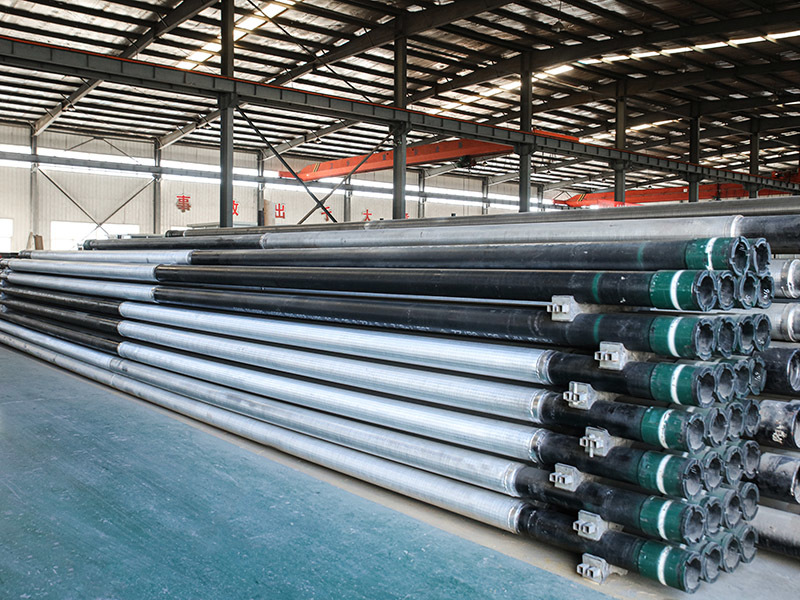
Table of Contents:
1. Introduction: Understanding the Importance of Choosing the Right Threader Pipe
2. Factors to Consider When Choosing a Threader Pipe
3. Types of Threader Pipes used in the Oil Industry
4. How to Assess the Quality of a Threader Pipe
5. Common FAQs about Threader Pipes in the Oil Industry
6. Conclusion
Choosing the right threader pipe is crucial in the oil industry. The performance, durability, and safety of your operations rely heavily on the quality of the pipe. In this article, we will guide you through the process of finding the best threader pipe that suits your oil industry needs.
When selecting a threader pipe, several factors should be taken into account:
The material of the threader pipe is of utmost importance. Steel pipes are commonly used in the oil industry due to their strength, corrosion resistance, and ability to handle high pressure and temperature. Consider the specific requirements of your project and choose a material that aligns with those needs.
The size and diameter of the threader pipe depend on the intended application. Factors such as flow rate, pressure, and temperature should be considered to determine the appropriate size. Consulting with industry experts can help you make an informed decision.
Different thread types are used in the oil industry, such as API (American Petroleum Institute) threads and premium connections. Each thread type has its advantages and disadvantages. Consider factors like compatibility, ease of installation, and sealing capabilities when choosing the most suitable thread type.
Assess the performance requirements of your oil industry project. Consider factors like tensile strength, yield strength, and resistance to corrosion, fatigue, and impact. The threader pipe must meet or exceed these requirements to ensure a reliable and efficient operation.
There are various types of threader pipes used in the oil industry. Let's explore some of the most common ones:
Seamless pipes are manufactured without any welding or joints. They offer excellent strength and durability, making them suitable for high-pressure applications. Seamless pipes are known for their smooth interior, ensuring minimal friction and efficient flow of oil.
Welded pipes are manufactured by welding steel plates or coils. They are cost-effective and widely used in the oil industry. However, welded pipes may have weaker points at the welded areas, which should be carefully inspected to ensure their integrity.
Casing and tubing pipes are designed for specific oil well applications. They provide structural support and protection to the wellbore, ensuring the stability and integrity of the oil well. These pipes are often subjected to high pressures and corrosive environments.
Ensuring the quality of a threader pipe is essential to avoid operational issues and potential hazards. Here are some key aspects to consider when assessing the quality:
Look for threader pipes that comply with industry standards and certifications like API 5CT or ISO 9001. These certifications ensure that the pipe has undergone rigorous testing and meets the necessary quality and safety requirements.
Thoroughly inspect the threader pipe for any defects, such as cracks, uneven surfaces, or misalignments. Perform non-destructive testing methods like ultrasonic testing or magnetic particle inspection to identify any hidden flaws.
Choose a reputable manufacturer with a proven track record in producing high-quality threader pipes. Research customer reviews, certifications, and industry recognition to assess the manufacturer's reputation.
The lifespan of a threader pipe depends on various factors such as material, maintenance, and operating conditions. Proper installation, regular inspections, and adherence to recommended maintenance practices can extend the lifespan of the pipe.
Threader pipes can be reused if they pass the necessary inspections and meet the required standards. However, it is crucial to assess the condition of the pipe and ensure it can withstand the intended application.
Corrosion prevention techniques include applying protective coatings, using corrosion-resistant materials, implementing cathodic protection systems, and monitoring environmental conditions. Regular inspections and maintenance are also vital in identifying and addressing corrosion issues promptly.
Seamless pipes offer higher strength and reliability compared to welded pipes. They have no weak points at welded areas, ensuring better resistance against internal and external pressures. Additionally, their smooth interior reduces friction, allowing for efficient flow of oil.
The choice of thread type depends on factors like compatibility with existing equipment, ease of installation, and sealing capabilities. Consulting with industry experts or referring to industry standards can help you determine the most suitable thread type for your project.
Choosing the best threader pipe for your oil industry needs is crucial for the success of your operations. Consider factors such as material, size, thread type, and performance requirements. Additionally, assess the quality of the pipe through certifications, inspections, and the manufacturer's reputation. By making an informed decision, you can ensure a reliable and efficient oil industry operation.
1. Introduction: Understanding the Importance of Choosing the Right Threader Pipe
2. Factors to Consider When Choosing a Threader Pipe
3. Types of Threader Pipes used in the Oil Industry
4. How to Assess the Quality of a Threader Pipe
5. Common FAQs about Threader Pipes in the Oil Industry
6. Conclusion
1. Introduction: Understanding the Importance of Choosing the Right Threader Pipe
Choosing the right threader pipe is crucial in the oil industry. The performance, durability, and safety of your operations rely heavily on the quality of the pipe. In this article, we will guide you through the process of finding the best threader pipe that suits your oil industry needs.
2. Factors to Consider When Choosing a Threader Pipe
When selecting a threader pipe, several factors should be taken into account:
2.1 Material
The material of the threader pipe is of utmost importance. Steel pipes are commonly used in the oil industry due to their strength, corrosion resistance, and ability to handle high pressure and temperature. Consider the specific requirements of your project and choose a material that aligns with those needs.
2.2 Size and Diameter
The size and diameter of the threader pipe depend on the intended application. Factors such as flow rate, pressure, and temperature should be considered to determine the appropriate size. Consulting with industry experts can help you make an informed decision.
2.3 Thread Type
Different thread types are used in the oil industry, such as API (American Petroleum Institute) threads and premium connections. Each thread type has its advantages and disadvantages. Consider factors like compatibility, ease of installation, and sealing capabilities when choosing the most suitable thread type.
2.4 Performance Requirements
Assess the performance requirements of your oil industry project. Consider factors like tensile strength, yield strength, and resistance to corrosion, fatigue, and impact. The threader pipe must meet or exceed these requirements to ensure a reliable and efficient operation.
3. Types of Threader Pipes used in the Oil Industry
There are various types of threader pipes used in the oil industry. Let's explore some of the most common ones:
3.1 Seamless Pipes
Seamless pipes are manufactured without any welding or joints. They offer excellent strength and durability, making them suitable for high-pressure applications. Seamless pipes are known for their smooth interior, ensuring minimal friction and efficient flow of oil.
3.2 Welded Pipes
Welded pipes are manufactured by welding steel plates or coils. They are cost-effective and widely used in the oil industry. However, welded pipes may have weaker points at the welded areas, which should be carefully inspected to ensure their integrity.
3.3 Casing and Tubing Pipes
Casing and tubing pipes are designed for specific oil well applications. They provide structural support and protection to the wellbore, ensuring the stability and integrity of the oil well. These pipes are often subjected to high pressures and corrosive environments.
4. How to Assess the Quality of a Threader Pipe
Ensuring the quality of a threader pipe is essential to avoid operational issues and potential hazards. Here are some key aspects to consider when assessing the quality:
4.1 Certification
Look for threader pipes that comply with industry standards and certifications like API 5CT or ISO 9001. These certifications ensure that the pipe has undergone rigorous testing and meets the necessary quality and safety requirements.
4.2 Inspection
Thoroughly inspect the threader pipe for any defects, such as cracks, uneven surfaces, or misalignments. Perform non-destructive testing methods like ultrasonic testing or magnetic particle inspection to identify any hidden flaws.
4.3 Manufacturer's Reputation
Choose a reputable manufacturer with a proven track record in producing high-quality threader pipes. Research customer reviews, certifications, and industry recognition to assess the manufacturer's reputation.
5. Common FAQs about Threader Pipes in the Oil Industry
5.1 What is the lifespan of a threader pipe?
The lifespan of a threader pipe depends on various factors such as material, maintenance, and operating conditions. Proper installation, regular inspections, and adherence to recommended maintenance practices can extend the lifespan of the pipe.
5.2 Can threader pipes be reused?
Threader pipes can be reused if they pass the necessary inspections and meet the required standards. However, it is crucial to assess the condition of the pipe and ensure it can withstand the intended application.
5.3 How do I prevent corrosion in threader pipes?
Corrosion prevention techniques include applying protective coatings, using corrosion-resistant materials, implementing cathodic protection systems, and monitoring environmental conditions. Regular inspections and maintenance are also vital in identifying and addressing corrosion issues promptly.
5.4 What are the advantages of using seamless pipes over welded pipes?
Seamless pipes offer higher strength and reliability compared to welded pipes. They have no weak points at welded areas, ensuring better resistance against internal and external pressures. Additionally, their smooth interior reduces friction, allowing for efficient flow of oil.
5.5 How do I choose the right thread type for my project?
The choice of thread type depends on factors like compatibility with existing equipment, ease of installation, and sealing capabilities. Consulting with industry experts or referring to industry standards can help you determine the most suitable thread type for your project.
6. Conclusion
Choosing the best threader pipe for your oil industry needs is crucial for the success of your operations. Consider factors such as material, size, thread type, and performance requirements. Additionally, assess the quality of the pipe through certifications, inspections, and the manufacturer's reputation. By making an informed decision, you can ensure a reliable and efficient oil industry operation.
