Cangzhou Ruitai Petroleum Machinery Co., Ltd





language
English
العربية
বাংলাদেশ
Български
Hrvatski
Česky
Dansk
Nederland
 Esperanto
Slovenski
Filipino
Suomi
Français
Maori
 Shqiptare
Georgian
 Euskara
Deutsch
Ελλάδα
ישראל
इंडिया
Magyarország
Ísland
Indonesia
Irlanda
Italia
日本語
Sovensko
Հայաստան
한국
Kyrgyz
ປະເທດລາວ
 Zulu
Zulu
Latvian
Lithuanian
Luxembourgish
 Latinus
Macedonian
Малайская
Maltese
Монгол улс
 Cymraeg
ဗမာ
 தமிழ்
தமிழ்
नेपाल
Norge
ایران
Polska
Portugal
România
Российская
Србија
 Slovak
Србија
 Slovak
Bosanski
Slovenian
Беларус
España
Sverige
Точик
ประเทศไทย
Türk
Azərbaycan
Uzbek
 Afrikaans
Việt Nam
The Essential Guide to API Certified BC Casing: Everything You Need to Know
Published on:
2023-12-23
Table of Contents 1. Introduction to API Certified BC Casing 2. Understanding API Certification for Casing 3. Properties and Characteristics of API Certified BC Casing 4. Manufacturing Process of API Certified BC Casing 5. Advantages and Applications of API Certified BC Casing 6. FAQs about API Certified BC Casing 7. Conclusion 1. Introduction to API Certified BC Casing API Certified BC Casing pla
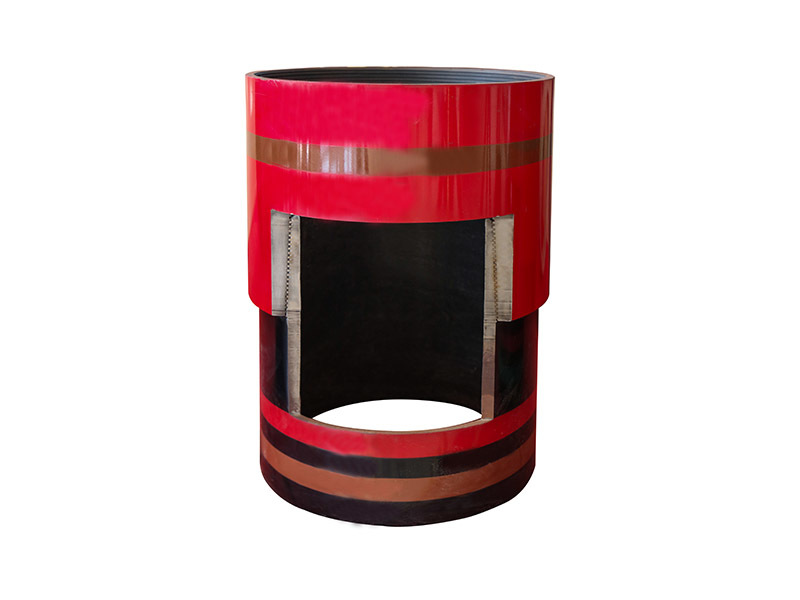
Table of Contents
1. Introduction to API Certified BC Casing
2. Understanding API Certification for Casing
3. Properties and Characteristics of API Certified BC Casing
4. Manufacturing Process of API Certified BC Casing
5. Advantages and Applications of API Certified BC Casing
6. FAQs about API Certified BC Casing
7. Conclusion
API Certified BC Casing plays a crucial role in the metallurgical, mineral, and energy sectors. It is a vital component used in various applications, including oil and gas drilling, mining operations, and infrastructure development. This comprehensive guide aims to provide a detailed understanding of API Certified BC Casing and its significance in these industries.
API (American Petroleum Institute) certification is a standardized system that ensures the quality, performance, and reliability of casings used in the oil and gas industry. API Certified BC Casing adheres to these stringent standards, guaranteeing its suitability for demanding applications in challenging environments. This certification assures users that the casing meets the industry's strict requirements.
API certification offers several benefits, including increased confidence in the quality of the casing, enhanced safety measures, and compliance with industry regulations. By choosing API Certified BC Casing, industry professionals can minimize risks associated with substandard products and ensure efficient operations.
API certification for casings is categorized into different levels, indicating the casing's specifications and performance capabilities. The most commonly used certification levels are API 5CT and API 5B. These certifications encompass various aspects, such as material properties, manufacturing processes, and dimensional requirements.
API 5CT certification focuses on the quality and performance of casing and tubing used in oil and gas wells. It ensures that the casing meets specific technical requirements, such as chemical composition, mechanical properties, thread connections, and non-destructive testing.
API 5B certification covers the requirements for thread gauges used for casing connections. It verifies the accuracy and precision of the thread connections, allowing seamless integration with other drilling components.
API Certified BC Casing exhibits several properties and characteristics that make it ideal for demanding applications. These include high strength, corrosion resistance, and excellent mechanical properties. The casing's properties ensure its durability, reliability, and longevity, even in harsh environments.
API Certified BC Casing possesses exceptional strength, enabling it to withstand heavy loads and extreme pressures during drilling and extraction processes. This strength is a result of the casing's robust construction and carefully selected materials, ensuring optimal performance in challenging conditions.
One of the key advantages of API Certified BC Casing is its resistance to corrosion. This property protects the casing from deterioration caused by corrosive elements present in the surrounding environment, such as saltwater, chemicals, and gases. Corrosion resistance helps maintain the integrity of the casing, preventing leaks and ensuring efficient operations.
API Certified BC Casing exhibits excellent mechanical properties, including superior tensile strength, yield strength, and impact resistance. These properties ensure the casing can withstand various mechanical stresses encountered during drilling, extraction, and production processes.
The manufacturing process of API Certified BC Casing involves several steps to ensure its quality and compliance with API standards. This section provides an overview of the key stages involved in producing API Certified BC Casing.
The manufacturing process begins with the careful selection of materials suitable for API Certified BC Casing. High-quality steel alloys are commonly used, ensuring the casing's desired properties, such as strength, corrosion resistance, and durability.
In the hot rolling stage, the selected steel material is heated and passed through a series of rollers to achieve the desired shape and dimensions. This process enhances the casing's strength and formability, making it suitable for various applications.
Heat treatment is a crucial step in the manufacturing process that optimizes the casing's properties. It involves subjecting the casing to controlled heating and cooling cycles, enhancing its strength, hardness, and resistance to deformation.
Threading and coupling are essential processes that ensure the proper connection of casings during drilling operations. Precise threading techniques and high-quality coupling materials are used to achieve reliable and leak-free connections.
API Certified BC Casing offers numerous advantages and finds applications in various industries. This section highlights some of the key benefits and applications of this essential component.
- Superior strength and durability
- Corrosion resistance in challenging environments
- Enhanced safety and reliability
- Compliance with industry standards and regulations
- Seamless integration with other drilling components
- Oil and gas drilling operations
- Mining and mineral extraction
- Infrastructure development, including bridges and tunnels
- Geothermal energy exploration
- Water well drilling
A: API certification ensures that BC casing meets the industry's rigorous standards for quality, performance, and reliability.
A: API certification provides confidence in the quality of casings used in oil and gas operations, ensuring safety and compliance with industry regulations.
A: API Certified BC Casing possesses high strength, corrosion resistance, and excellent mechanical properties, making it ideal for demanding applications.
A: The advantages include superior strength, corrosion resistance, enhanced safety, compliance with standards, and seamless integration with other drilling components.
A: It finds applications in oil and gas drilling, mining, infrastructure development, geothermal energy exploration, and water well drilling.
In conclusion, API Certified BC Casing is an essential component in the metallurgical, mineral, and energy industries. Its properties, manufacturing process, and advantages make it highly suitable for demanding applications. With API certification, professionals can ensure the quality, reliability, and compliance of BC casings, leading to efficient operations and increased safety. Understanding the significance of API Certified BC Casing is vital for industry professionals and enthusiasts alike, enabling them to make informed decisions and choose the best casing for their specific needs.
1. Introduction to API Certified BC Casing
2. Understanding API Certification for Casing
3. Properties and Characteristics of API Certified BC Casing
4. Manufacturing Process of API Certified BC Casing
5. Advantages and Applications of API Certified BC Casing
6. FAQs about API Certified BC Casing
7. Conclusion
1. Introduction to API Certified BC Casing
API Certified BC Casing plays a crucial role in the metallurgical, mineral, and energy sectors. It is a vital component used in various applications, including oil and gas drilling, mining operations, and infrastructure development. This comprehensive guide aims to provide a detailed understanding of API Certified BC Casing and its significance in these industries.
2. Understanding API Certification for Casing
API (American Petroleum Institute) certification is a standardized system that ensures the quality, performance, and reliability of casings used in the oil and gas industry. API Certified BC Casing adheres to these stringent standards, guaranteeing its suitability for demanding applications in challenging environments. This certification assures users that the casing meets the industry's strict requirements.
2.1 Benefits of API Certification
API certification offers several benefits, including increased confidence in the quality of the casing, enhanced safety measures, and compliance with industry regulations. By choosing API Certified BC Casing, industry professionals can minimize risks associated with substandard products and ensure efficient operations.
2.2 API Certification Levels
API certification for casings is categorized into different levels, indicating the casing's specifications and performance capabilities. The most commonly used certification levels are API 5CT and API 5B. These certifications encompass various aspects, such as material properties, manufacturing processes, and dimensional requirements.
2.2.1 API 5CT Certification
API 5CT certification focuses on the quality and performance of casing and tubing used in oil and gas wells. It ensures that the casing meets specific technical requirements, such as chemical composition, mechanical properties, thread connections, and non-destructive testing.
2.2.2 API 5B Certification
API 5B certification covers the requirements for thread gauges used for casing connections. It verifies the accuracy and precision of the thread connections, allowing seamless integration with other drilling components.
3. Properties and Characteristics of API Certified BC Casing
API Certified BC Casing exhibits several properties and characteristics that make it ideal for demanding applications. These include high strength, corrosion resistance, and excellent mechanical properties. The casing's properties ensure its durability, reliability, and longevity, even in harsh environments.
3.1 High Strength
API Certified BC Casing possesses exceptional strength, enabling it to withstand heavy loads and extreme pressures during drilling and extraction processes. This strength is a result of the casing's robust construction and carefully selected materials, ensuring optimal performance in challenging conditions.
3.2 Corrosion Resistance
One of the key advantages of API Certified BC Casing is its resistance to corrosion. This property protects the casing from deterioration caused by corrosive elements present in the surrounding environment, such as saltwater, chemicals, and gases. Corrosion resistance helps maintain the integrity of the casing, preventing leaks and ensuring efficient operations.
3.3 Excellent Mechanical Properties
API Certified BC Casing exhibits excellent mechanical properties, including superior tensile strength, yield strength, and impact resistance. These properties ensure the casing can withstand various mechanical stresses encountered during drilling, extraction, and production processes.
4. Manufacturing Process of API Certified BC Casing
The manufacturing process of API Certified BC Casing involves several steps to ensure its quality and compliance with API standards. This section provides an overview of the key stages involved in producing API Certified BC Casing.
4.1 Material Selection
The manufacturing process begins with the careful selection of materials suitable for API Certified BC Casing. High-quality steel alloys are commonly used, ensuring the casing's desired properties, such as strength, corrosion resistance, and durability.
4.2 Hot Rolling
In the hot rolling stage, the selected steel material is heated and passed through a series of rollers to achieve the desired shape and dimensions. This process enhances the casing's strength and formability, making it suitable for various applications.
4.3 Heat Treatment
Heat treatment is a crucial step in the manufacturing process that optimizes the casing's properties. It involves subjecting the casing to controlled heating and cooling cycles, enhancing its strength, hardness, and resistance to deformation.
4.4 Threading and Coupling
Threading and coupling are essential processes that ensure the proper connection of casings during drilling operations. Precise threading techniques and high-quality coupling materials are used to achieve reliable and leak-free connections.
5. Advantages and Applications of API Certified BC Casing
API Certified BC Casing offers numerous advantages and finds applications in various industries. This section highlights some of the key benefits and applications of this essential component.
5.1 Advantages of API Certified BC Casing
- Superior strength and durability
- Corrosion resistance in challenging environments
- Enhanced safety and reliability
- Compliance with industry standards and regulations
- Seamless integration with other drilling components
5.2 Applications of API Certified BC Casing
- Oil and gas drilling operations
- Mining and mineral extraction
- Infrastructure development, including bridges and tunnels
- Geothermal energy exploration
- Water well drilling
6. FAQs about API Certified BC Casing
Frequently Asked Questions
Q1: What does API certification mean for BC casing?
A: API certification ensures that BC casing meets the industry's rigorous standards for quality, performance, and reliability.
Q2: Why is API certification important for the oil and gas industry?
A: API certification provides confidence in the quality of casings used in oil and gas operations, ensuring safety and compliance with industry regulations.
Q3: What are the key properties of API Certified BC Casing?
A: API Certified BC Casing possesses high strength, corrosion resistance, and excellent mechanical properties, making it ideal for demanding applications.
Q4: What are the advantages of using API Certified BC Casing?
A: The advantages include superior strength, corrosion resistance, enhanced safety, compliance with standards, and seamless integration with other drilling components.
Q5: In which industries is API Certified BC Casing used?
A: It finds applications in oil and gas drilling, mining, infrastructure development, geothermal energy exploration, and water well drilling.
7. Conclusion
In conclusion, API Certified BC Casing is an essential component in the metallurgical, mineral, and energy industries. Its properties, manufacturing process, and advantages make it highly suitable for demanding applications. With API certification, professionals can ensure the quality, reliability, and compliance of BC casings, leading to efficient operations and increased safety. Understanding the significance of API Certified BC Casing is vital for industry professionals and enthusiasts alike, enabling them to make informed decisions and choose the best casing for their specific needs.
