Cangzhou Ruitai Petroleum Machinery Co., Ltd





language
English
العربية
বাংলাদেশ
Български
Hrvatski
Česky
Dansk
Nederland
 Esperanto
Slovenski
Filipino
Suomi
Français
Maori
 Shqiptare
Georgian
 Euskara
Deutsch
Ελλάδα
ישראל
इंडिया
Magyarország
Ísland
Indonesia
Irlanda
Italia
日本語
Sovensko
Հայաստան
한국
Kyrgyz
ປະເທດລາວ
 Zulu
Zulu
Latvian
Lithuanian
Luxembourgish
 Latinus
Macedonian
Малайская
Maltese
Монгол улс
 Cymraeg
ဗမာ
 தமிழ்
தமிழ்
नेपाल
Norge
ایران
Polska
Portugal
România
Российская
Србија
 Slovak
Србија
 Slovak
Bosanski
Slovenian
Беларус
España
Sverige
Точик
ประเทศไทย
Türk
Azərbaycan
Uzbek
 Afrikaans
Việt Nam
Exploring Pup Joint Factories in the Petroleum Pipe Industry
Published on:
2024-03-11
Pup joint factories play a crucial role in the production of pipes for the oil and gas industry. These factories are responsible for manufacturing pup joints, which are short tubular sections used to adjust the length of casing or tubing strings in oil and gas wells. Pup joints are essential components in the petroleum pipe sector, as they help connect different sections of pipes and ensure the in
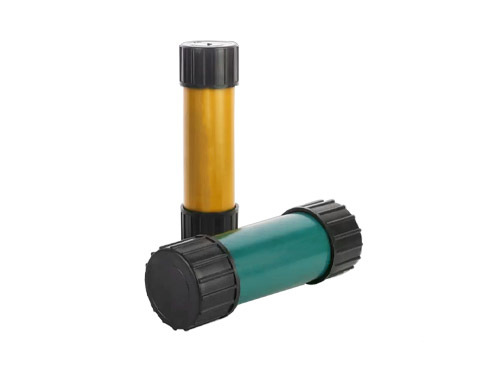
Pup joint factories play a crucial role in the production of pipes for the oil and gas industry. These factories are responsible for manufacturing pup joints, which are short tubular sections used to adjust the length of casing or tubing strings in oil and gas wells. Pup joints are essential components in the petroleum pipe sector, as they help connect different sections of pipes and ensure the integrity of the well.
In a pup joint factory, the manufacturing process involves several key steps. First, raw materials such as steel or alloy are selected based on the specific requirements of the pup joints. These materials are then heated and shaped into the desired dimensions using specialized machinery. The next step involves threading the ends of the pup joints to ensure a secure connection with other pipes.
Quality control is a critical aspect of pup joint manufacturing. The pup joints undergo rigorous testing to ensure they meet industry standards for strength, durability, and performance. This includes non-destructive testing methods such as ultrasonic inspection to detect any defects or irregularities in the material.
Pup joint factories also play a role in innovation and technology advancement in the petroleum pipe industry. As the demand for more efficient and environmentally friendly solutions grows, pup joint manufacturers are constantly exploring new materials and techniques to improve the performance and longevity of their products.
In conclusion, pup joint factories are essential for the production of pipes in the oil and gas industry. By understanding the key functions and processes involved in manufacturing pup joints, we gain insight into the intricate workings of the petroleum pipe sector and the vital role that these factories play in ensuring the integrity and efficiency of oil and gas wells.
In a pup joint factory, the manufacturing process involves several key steps. First, raw materials such as steel or alloy are selected based on the specific requirements of the pup joints. These materials are then heated and shaped into the desired dimensions using specialized machinery. The next step involves threading the ends of the pup joints to ensure a secure connection with other pipes.
Quality control is a critical aspect of pup joint manufacturing. The pup joints undergo rigorous testing to ensure they meet industry standards for strength, durability, and performance. This includes non-destructive testing methods such as ultrasonic inspection to detect any defects or irregularities in the material.
Pup joint factories also play a role in innovation and technology advancement in the petroleum pipe industry. As the demand for more efficient and environmentally friendly solutions grows, pup joint manufacturers are constantly exploring new materials and techniques to improve the performance and longevity of their products.
In conclusion, pup joint factories are essential for the production of pipes in the oil and gas industry. By understanding the key functions and processes involved in manufacturing pup joints, we gain insight into the intricate workings of the petroleum pipe sector and the vital role that these factories play in ensuring the integrity and efficiency of oil and gas wells.
