Cangzhou Ruitai Petroleum Machinery Co., Ltd





language
English
العربية
বাংলাদেশ
Български
Hrvatski
Česky
Dansk
Nederland
 Esperanto
Slovenski
Filipino
Suomi
Français
Maori
 Shqiptare
Georgian
 Euskara
Deutsch
Ελλάδα
ישראל
इंडिया
Magyarország
Ísland
Indonesia
Irlanda
Italia
日本語
Sovensko
Հայաստան
한국
Kyrgyz
ປະເທດລາວ
 Zulu
Zulu
Latvian
Lithuanian
Luxembourgish
 Latinus
Macedonian
Малайская
Maltese
Монгол улс
 Cymraeg
ဗမာ
 தமிழ்
தமிழ்
नेपाल
Norge
ایران
Polska
Portugal
România
Российская
Србија
 Slovak
Србија
 Slovak
Bosanski
Slovenian
Беларус
España
Sverige
Точик
ประเทศไทย
Türk
Azərbaycan
Uzbek
 Afrikaans
Việt Nam
Top Facts about Slotted Casing in Oil Pipes
Published on:
2024-03-23
Slotted casing is a key component in the oil and gas industry, specifically in the extraction and production of oil. It is a type of pipe that is designed with openings or slots along its length, allowing fluids to flow in and out. Here are some top facts about slotted casing: 1. **Uses**: Slotted casing is commonly used in oil wells to control the flow of oil, gas, and water. The slots in the cas
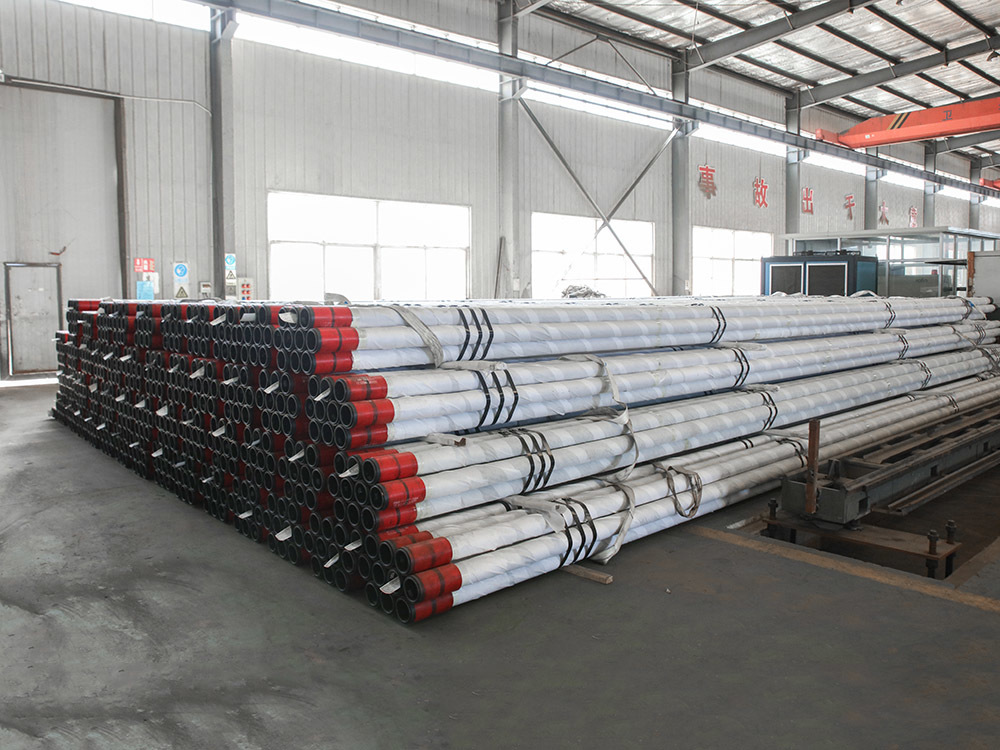
Slotted casing is a key component in the oil and gas industry, specifically in the extraction and production of oil. It is a type of pipe that is designed with openings or slots along its length, allowing fluids to flow in and out. Here are some top facts about slotted casing:
1. **Uses**: Slotted casing is commonly used in oil wells to control the flow of oil, gas, and water. The slots in the casing allow for the selective entry of fluids while preventing the ingress of sand and other unwanted materials. This helps maintain the integrity of the well and ensures optimal production.
2. **Benefits**: One of the main benefits of using slotted casing is its ability to enhance well performance by maximizing the flow of fluids. The slots in the casing can be customized to suit the specific requirements of the well, allowing for efficient production and extraction processes. Additionally, slotted casing helps prevent sand production, which can cause damage to equipment and reduce overall well productivity.
3. **Installation**: Installing slotted casing requires careful planning and expertise. The casing is typically lowered into the wellbore and cemented in place to provide structural support. The slots are strategically positioned to target specific reservoir zones and optimize fluid production. Proper installation of slotted casing is essential for the successful operation of an oil well.
In conclusion, slotted casing plays a crucial role in the oil and gas industry, particularly in oil production and extraction. Its unique design and functionality make it an essential component for controlling fluid flow and maximizing well performance. By understanding the uses, benefits, and installation process of slotted casing, operators and engineers can effectively utilize this specialized pipe to enhance oil production efficiency.
1. **Uses**: Slotted casing is commonly used in oil wells to control the flow of oil, gas, and water. The slots in the casing allow for the selective entry of fluids while preventing the ingress of sand and other unwanted materials. This helps maintain the integrity of the well and ensures optimal production.
2. **Benefits**: One of the main benefits of using slotted casing is its ability to enhance well performance by maximizing the flow of fluids. The slots in the casing can be customized to suit the specific requirements of the well, allowing for efficient production and extraction processes. Additionally, slotted casing helps prevent sand production, which can cause damage to equipment and reduce overall well productivity.
3. **Installation**: Installing slotted casing requires careful planning and expertise. The casing is typically lowered into the wellbore and cemented in place to provide structural support. The slots are strategically positioned to target specific reservoir zones and optimize fluid production. Proper installation of slotted casing is essential for the successful operation of an oil well.
In conclusion, slotted casing plays a crucial role in the oil and gas industry, particularly in oil production and extraction. Its unique design and functionality make it an essential component for controlling fluid flow and maximizing well performance. By understanding the uses, benefits, and installation process of slotted casing, operators and engineers can effectively utilize this specialized pipe to enhance oil production efficiency.
