Cangzhou Ruitai Petroleum Machinery Co., Ltd





language
English
العربية
বাংলাদেশ
Български
Hrvatski
Česky
Dansk
Nederland
 Esperanto
Slovenski
Filipino
Suomi
Français
Maori
 Shqiptare
Georgian
 Euskara
Deutsch
Ελλάδα
ישראל
इंडिया
Magyarország
Ísland
Indonesia
Irlanda
Italia
日本語
Sovensko
Հայաստան
한국
Kyrgyz
ປະເທດລາວ
 Zulu
Zulu
Latvian
Lithuanian
Luxembourgish
 Latinus
Macedonian
Малайская
Maltese
Монгол улс
 Cymraeg
ဗမာ
 தமிழ்
தமிழ்
नेपाल
Norge
ایران
Polska
Portugal
România
Российская
Србија
 Slovak
Србија
 Slovak
Bosanski
Slovenian
Беларус
España
Sverige
Точик
ประเทศไทย
Türk
Azərbaycan
Uzbek
 Afrikaans
Việt Nam
All You Need to Know About Screen Pipes in the Petroleum Industry
Published on:
2024-04-08
Screen pipes, also known as slotted liners, play a crucial role in the extraction of oil and gas from wells. These pipes are designed with precision-cut slots or holes to allow for the efficient flow of fluids while preventing the entry of sand and other debris. The use of screen pipes helps maintain the integrity of the well and ensures a steady flow of hydrocarbons. In the petroleum industry, sc
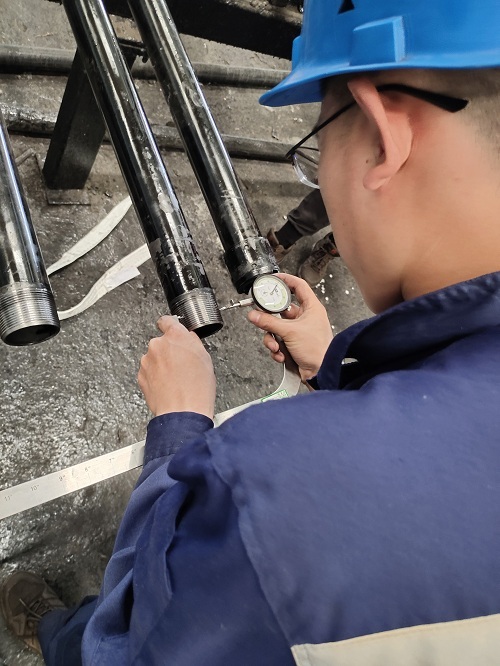
Screen pipes, also known as slotted liners, play a crucial role in the extraction of oil and gas from wells. These pipes are designed with precision-cut slots or holes to allow for the efficient flow of fluids while preventing the entry of sand and other debris. The use of screen pipes helps maintain the integrity of the well and ensures a steady flow of hydrocarbons.
In the petroleum industry, screen pipes are commonly used in sand control applications. They are installed in the wellbore to prevent sand production and maintain the stability of the reservoir. By filtering out sand particles, screen pipes help optimize production rates and extend the lifespan of the well.
Additionally, screen pipes are used in water injection wells to enhance oil recovery. By controlling the inflow of water and preventing the migration of fines, screen pipes help improve the efficiency of water flooding operations. This results in increased oil production and improved reservoir performance.
When selecting screen pipes for oil and gas applications, it is important to consider factors such as slot size, open area, and material composition. The size and shape of the slots determine the flow capacity of the screen pipe, while the open area influences the efficiency of sand control. The material of the screen pipe should be corrosion-resistant and able to withstand high pressure and temperatures.
Overall, screen pipes are essential tools in the petroleum industry for sand control, water injection, and reservoir management. By understanding their applications and selecting the right specifications, operators can improve well performance and maximize oil and gas production.
In the petroleum industry, screen pipes are commonly used in sand control applications. They are installed in the wellbore to prevent sand production and maintain the stability of the reservoir. By filtering out sand particles, screen pipes help optimize production rates and extend the lifespan of the well.
Additionally, screen pipes are used in water injection wells to enhance oil recovery. By controlling the inflow of water and preventing the migration of fines, screen pipes help improve the efficiency of water flooding operations. This results in increased oil production and improved reservoir performance.
When selecting screen pipes for oil and gas applications, it is important to consider factors such as slot size, open area, and material composition. The size and shape of the slots determine the flow capacity of the screen pipe, while the open area influences the efficiency of sand control. The material of the screen pipe should be corrosion-resistant and able to withstand high pressure and temperatures.
Overall, screen pipes are essential tools in the petroleum industry for sand control, water injection, and reservoir management. By understanding their applications and selecting the right specifications, operators can improve well performance and maximize oil and gas production.
