Cangzhou Ruitai Petroleum Machinery Co., Ltd





language
English
العربية
বাংলাদেশ
Български
Hrvatski
Česky
Dansk
Nederland
 Esperanto
Slovenski
Filipino
Suomi
Français
Maori
 Shqiptare
Georgian
 Euskara
Deutsch
Ελλάδα
ישראל
इंडिया
Magyarország
Ísland
Indonesia
Irlanda
Italia
日本語
Sovensko
Հայաստան
한국
Kyrgyz
ປະເທດລາວ
 Zulu
Zulu
Latvian
Lithuanian
Luxembourgish
 Latinus
Macedonian
Малайская
Maltese
Монгол улс
 Cymraeg
ဗမာ
 தமிழ்
தமிழ்
नेपाल
Norge
ایران
Polska
Portugal
România
Российская
Србија
 Slovak
Србија
 Slovak
Bosanski
Slovenian
Беларус
España
Sverige
Точик
ประเทศไทย
Türk
Azərbaycan
Uzbek
 Afrikaans
Việt Nam
Understanding Oil Well API Tubing
Published on:
2024-04-14
When it comes to the oil and gas industry, API tubing plays a crucial role in the extraction and transportation of oil. API, which stands for American Petroleum Institute, sets the standards for oilfield equipment, including tubing used in oil wells. API tubing is made from high-quality steel and is designed to withstand high pressure and harsh environmental conditions. It serves as a conduit for
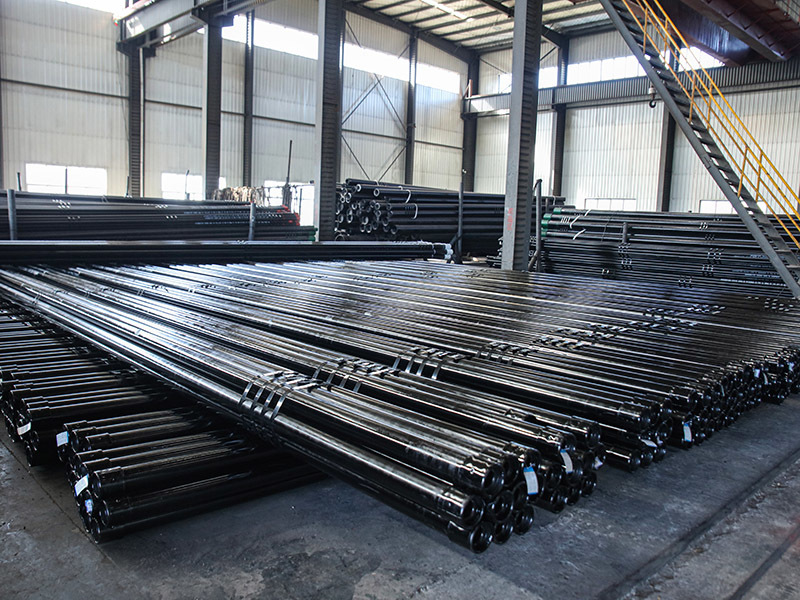
When it comes to the oil and gas industry, API tubing plays a crucial role in the extraction and transportation of oil. API, which stands for American Petroleum Institute, sets the standards for oilfield equipment, including tubing used in oil wells.
API tubing is made from high-quality steel and is designed to withstand high pressure and harsh environmental conditions. It serves as a conduit for oil and gas to flow from the reservoir to the surface, where it can be processed and transported.
One of the key specifications to look for when selecting API tubing is the size and grade. The size of the tubing determines the flow rate of oil and gas, while the grade indicates the strength and durability of the tubing. It is important to choose the right size and grade of API tubing to ensure efficient and safe operations in oil wells.
In addition to size and grade, API tubing also comes in different types, such as seamless and welded. Seamless tubing is preferred for its smooth surface and uniform strength, while welded tubing is more economical and readily available in various sizes and grades.
Overall, API tubing is a critical component in the oil and gas industry, ensuring the efficient and safe extraction of oil from wells. By understanding the key specifications and types of API tubing, professionals in the metallurgy, mining, and energy sector can make informed decisions when selecting tubing for their operations.
API tubing is made from high-quality steel and is designed to withstand high pressure and harsh environmental conditions. It serves as a conduit for oil and gas to flow from the reservoir to the surface, where it can be processed and transported.
One of the key specifications to look for when selecting API tubing is the size and grade. The size of the tubing determines the flow rate of oil and gas, while the grade indicates the strength and durability of the tubing. It is important to choose the right size and grade of API tubing to ensure efficient and safe operations in oil wells.
In addition to size and grade, API tubing also comes in different types, such as seamless and welded. Seamless tubing is preferred for its smooth surface and uniform strength, while welded tubing is more economical and readily available in various sizes and grades.
Overall, API tubing is a critical component in the oil and gas industry, ensuring the efficient and safe extraction of oil from wells. By understanding the key specifications and types of API tubing, professionals in the metallurgy, mining, and energy sector can make informed decisions when selecting tubing for their operations.
