Cangzhou Ruitai Petroleum Machinery Co., Ltd





language
English
العربية
বাংলাদেশ
Български
Hrvatski
Česky
Dansk
Nederland
 Esperanto
Slovenski
Filipino
Suomi
Français
Maori
 Shqiptare
Georgian
 Euskara
Deutsch
Ελλάδα
ישראל
इंडिया
Magyarország
Ísland
Indonesia
Irlanda
Italia
日本語
Sovensko
Հայաստան
한국
Kyrgyz
ປະເທດລາວ
 Zulu
Zulu
Latvian
Lithuanian
Luxembourgish
 Latinus
Macedonian
Малайская
Maltese
Монгол улс
 Cymraeg
ဗမာ
 தமிழ்
தமிழ்
नेपाल
Norge
ایران
Polska
Portugal
România
Российская
Србија
 Slovak
Србија
 Slovak
Bosanski
Slovenian
Беларус
España
Sverige
Точик
ประเทศไทย
Türk
Azərbaycan
Uzbek
 Afrikaans
Việt Nam
The Importance of Proper Coupling Selection in Metallurgical Applications
Published on:
2024-05-29
**Introduction** In the field of metallurgical applications, ensuring the proper selection of couplings is crucial for maintaining the efficiency and reliability of operations. Couplings play a vital role in connecting different components of a system, transferring power, and accommodating misalignments. In this article, we will delve into the importance of selecting the right couplings for metall
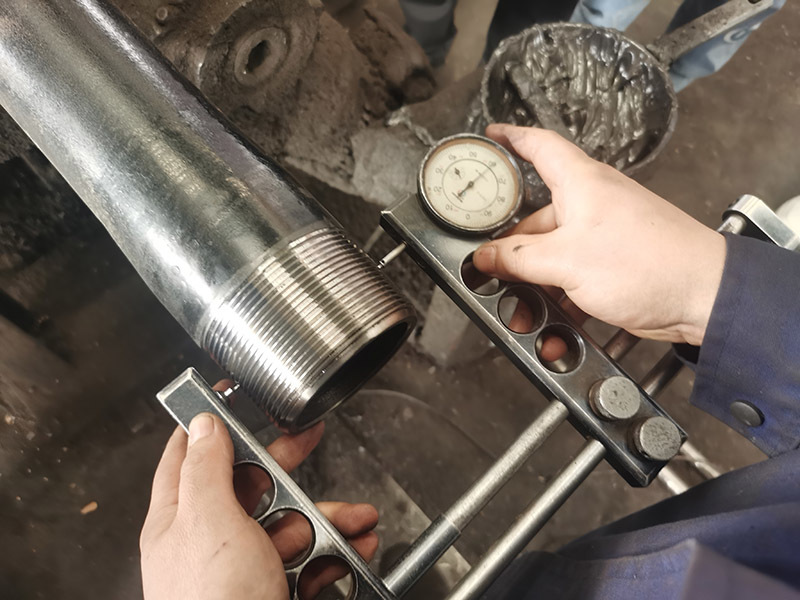
**Introduction**
In the field of metallurgical applications, ensuring the proper selection of couplings is crucial for maintaining the efficiency and reliability of operations. Couplings play a vital role in connecting different components of a system, transferring power, and accommodating misalignments. In this article, we will delve into the importance of selecting the right couplings for metallurgical applications and explore the key factors to consider when making this critical decision.
**Why Proper Coupling Selection Matters**
Proper coupling selection is essential in metallurgical applications for several reasons. Firstly, the right coupling can help optimize the performance of equipment by efficiently transferring power and accommodating misalignments. This, in turn, can improve the overall efficiency and productivity of the operations. Additionally, selecting the appropriate coupling can enhance the reliability of the system, reducing the risk of downtime and costly repairs.
**Factors to Consider When Choosing Couplings**
When selecting couplings for metallurgical applications, several factors need to be taken into consideration. These include the torque capacity of the coupling, the operating speed and temperature of the system, the level of misalignment that needs to be accommodated, and the required maintenance schedule. It is also essential to consider the environmental conditions in which the coupling will operate, such as exposure to moisture, dust, or corrosive substances.
**Types of Couplings for Metallurgical Applications**
There are various types of couplings available for metallurgical applications, each designed to suit different requirements and operating conditions. Some common types of couplings include rigid couplings, flexible couplings, fluid couplings, and magnetic couplings. The choice of coupling will depend on the specific needs of the application, such as the amount of misalignment to be accommodated, the level of torque transmission required, and the environmental factors present.
**Benefits of Proper Coupling Selection**
Selecting the right coupling for metallurgical applications can offer several benefits. These include improved equipment performance, reduced maintenance costs, increased system reliability, and enhanced safety for operators. By investing in high-quality couplings that are designed to meet the specific demands of the application, metallurgical operations can achieve optimal efficiency and longevity.
**FAQs**
1. What are the key factors to consider when selecting couplings for metallurgical applications?
2. How can the right coupling improve the efficiency of metallurgical operations?
3. What are the different types of couplings available for metallurgical applications?
4. How can proper coupling selection reduce maintenance costs?
5. What role do environmental factors play in choosing the right coupling?
**Conclusion**
In conclusion, the importance of proper coupling selection in metallurgical applications cannot be overstated. By choosing the right coupling for the specific needs of the operation, metallurgical processes can benefit from improved efficiency, reliability, and safety. Consideration of factors such as torque capacity, operating conditions, and environmental factors is essential in making the best choice for coupling selection. Investing in high-quality couplings designed to meet the demands of metallurgical applications can lead to long-term success and enhanced operational performance.
In the field of metallurgical applications, ensuring the proper selection of couplings is crucial for maintaining the efficiency and reliability of operations. Couplings play a vital role in connecting different components of a system, transferring power, and accommodating misalignments. In this article, we will delve into the importance of selecting the right couplings for metallurgical applications and explore the key factors to consider when making this critical decision.
**Why Proper Coupling Selection Matters**
Proper coupling selection is essential in metallurgical applications for several reasons. Firstly, the right coupling can help optimize the performance of equipment by efficiently transferring power and accommodating misalignments. This, in turn, can improve the overall efficiency and productivity of the operations. Additionally, selecting the appropriate coupling can enhance the reliability of the system, reducing the risk of downtime and costly repairs.
**Factors to Consider When Choosing Couplings**
When selecting couplings for metallurgical applications, several factors need to be taken into consideration. These include the torque capacity of the coupling, the operating speed and temperature of the system, the level of misalignment that needs to be accommodated, and the required maintenance schedule. It is also essential to consider the environmental conditions in which the coupling will operate, such as exposure to moisture, dust, or corrosive substances.
**Types of Couplings for Metallurgical Applications**
There are various types of couplings available for metallurgical applications, each designed to suit different requirements and operating conditions. Some common types of couplings include rigid couplings, flexible couplings, fluid couplings, and magnetic couplings. The choice of coupling will depend on the specific needs of the application, such as the amount of misalignment to be accommodated, the level of torque transmission required, and the environmental factors present.
**Benefits of Proper Coupling Selection**
Selecting the right coupling for metallurgical applications can offer several benefits. These include improved equipment performance, reduced maintenance costs, increased system reliability, and enhanced safety for operators. By investing in high-quality couplings that are designed to meet the specific demands of the application, metallurgical operations can achieve optimal efficiency and longevity.
**FAQs**
1. What are the key factors to consider when selecting couplings for metallurgical applications?
2. How can the right coupling improve the efficiency of metallurgical operations?
3. What are the different types of couplings available for metallurgical applications?
4. How can proper coupling selection reduce maintenance costs?
5. What role do environmental factors play in choosing the right coupling?
**Conclusion**
In conclusion, the importance of proper coupling selection in metallurgical applications cannot be overstated. By choosing the right coupling for the specific needs of the operation, metallurgical processes can benefit from improved efficiency, reliability, and safety. Consideration of factors such as torque capacity, operating conditions, and environmental factors is essential in making the best choice for coupling selection. Investing in high-quality couplings designed to meet the demands of metallurgical applications can lead to long-term success and enhanced operational performance.
